
Minnesota's Wanted Lists Differ
No single Minnesota list covers every fugitive in the state. Each agency runs its own. The clearest state-level tool is the Minnesota Department of Corrections (MNDOC) Active Fugitives viewer, which tracks people under DOC supervision who allegedly broke release conditions and are dodging authorities. Sheriffs and city police handle local warrants and agency priorities. The U.S. Marshals Service handles federal fugitive investigations. These lists overlap in subject. Even so, a name on one list can carry a different legal and custody status than the same name on another.
A wanted notice asks the public for help. The reason behind a listing varies. A person may be wanted on a warrant. Others are sought for alleged supervision violations or named in federal investigations. The agency's page should spell out its scope and the safest way to send a tip. Minnesota has no confirmed statewide Bureau of Criminal Apprehension list for every fugitive category, so no county or DOC list should be read as complete.
For the DOC-supervision category, the MNDOC Active Fugitives viewer is the official searchable source. Names and statuses change. Check the live page before acting on anything. The DOC publishes no fixed update schedule for the viewer and lists no permanent photo policy.
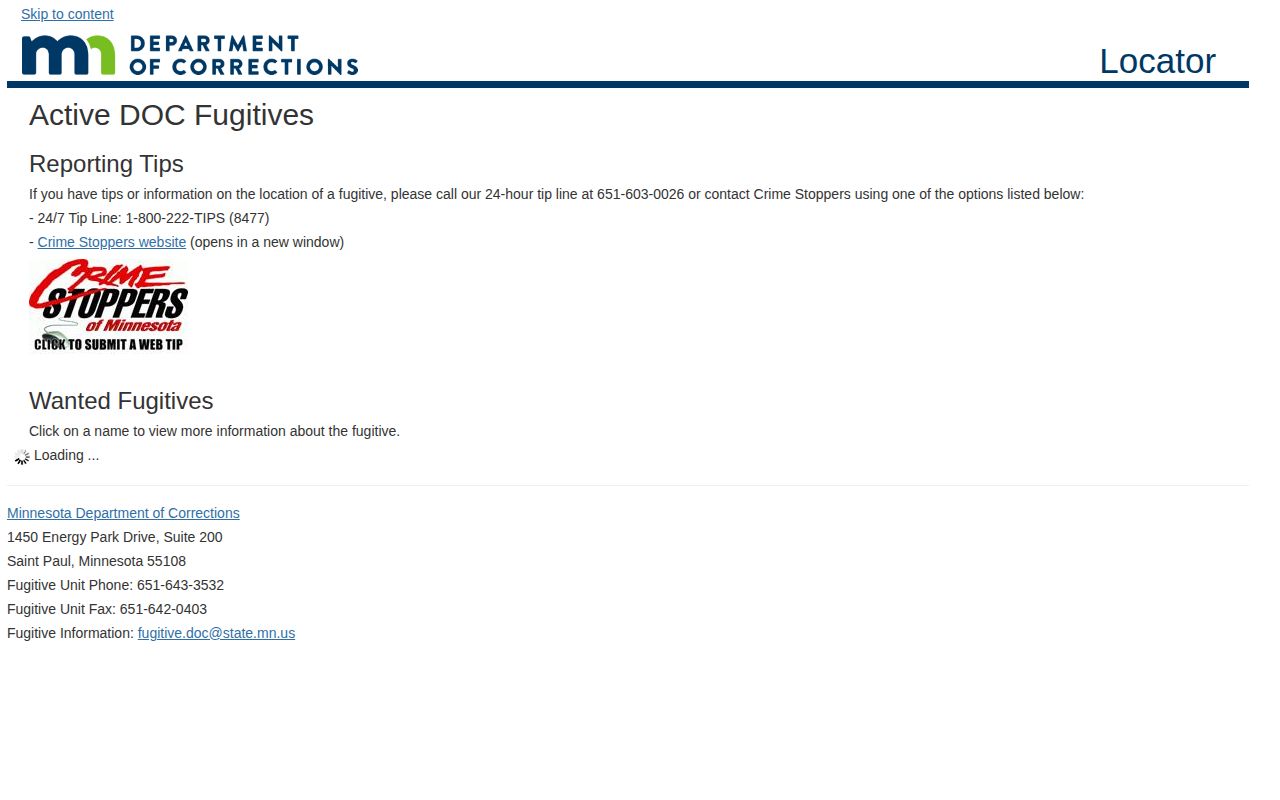
A screenshot shows where a notice lives. It can go stale fast. A copied notice may be outdated even when the name still appears elsewhere. Before reporting anything, check the live agency page and the case context around it.
- Open the issuing agency's own page and confirm that the listing is still posted.
- Read the agency's description of why the person is sought; do not treat a supervision violation as a new criminal conviction.
- Use the listed tip contact and leave enforcement to officers. Do not approach the person or post a public charge.
Note: Minnesota's public wanted sources overlap in subject matter, so confirm the issuing agency before treating any notice as current.
Official Minnesota Fugitive Sources
Match the source to the status you are checking. Official fugitive notices sit apart from the custody, court, and statistical systems that answer different questions.
| Source | What It Covers | Photo or Search | Official Route |
|---|---|---|---|
| MNDOC Active Fugitives | People under DOC supervision who are alleged to have absconded | Searchable viewer; use the issuing page for any displayed image | Active Fugitives viewer |
| County sheriff or police notice | Local wanted notices and warrants handled by that agency | Varies by county and agency | Start with the relevant county through the Minnesota County Directory |
| U.S. Marshals Service | Selected federal fugitive investigations and task-force work | Case-specific notices, not a county booking-photo roster | Fugitive investigations |
| MCRO court records | Public case events and dispositions when available | Case search; not a current-warrant index | Minnesota Court Records Online |
Send Tips to Minnesota Authorities
The DOC posts a unit contact for MNDOC fugitives. It also runs a 24-hour tip line, and Crime Stoppers is another listed route. These channels are for information, not permission to question, follow, or confront anyone. For immediate danger, call 911 instead.
- Confirm that the notice is on the current official page and note which agency issued it.
- Use the agency's published tip number, email, or Crime Stoppers route. Give only information you know firsthand and describe the source of any other detail.
- Do not approach the person or post an charge online. Let law enforcement assess the tip and decide whether follow-up is needed.
Safety: Do not approach anyone listed. A listing can be wrong, stale, or incomplete, and enforcement work belongs to trained officers.
MNDOC Fugitive Unit
fugitive.doc@state.mn.us
(651) 643-3532
24-hour tip line: (651) 603-0026
Crime Stoppers: 1-800-222-TIPS (8477)
The DOC lists these contacts statewide for fugitive information. Confirm a number on the official page before calling. Note: The DOC publishes these statewide tip contacts, while each county and city agency sets its own current route.
Check a Minnesota Warrant Safely
A curated wanted list is not a warrant index. Minnesota law keeps warrant indices confidential until service, custody, or appearance, unless an agency decides disclosure serves a public purpose. That gap matters. A missing name on a public page proves nothing. No online roster, court search, or DOC list can answer every warrant question.
Start with the county tied to the event. A booking record, citation, or case number helps route the question to the right office. Ask what status the agency can release. Ask whether the office can release that information or whether a records request is required. A commercial index search is never a clearance.
- Identify the county or agency connected to the event, using the booking record, citation, or case number when available.
- Check that agency's official wanted page or contact its records unit for the process it uses to answer a status question.
- Search MCRO for public case events by name, case number, or citation, then read the register of actions. The portal warns that it is unofficial and incomplete, and some pending matters do not appear in defendant-name searches.
- If the question concerns DOC supervision, use the MNDOC fugitive or offender viewer. For a personal legal matter, contact a lawyer or the court for instructions on resolving it safely.
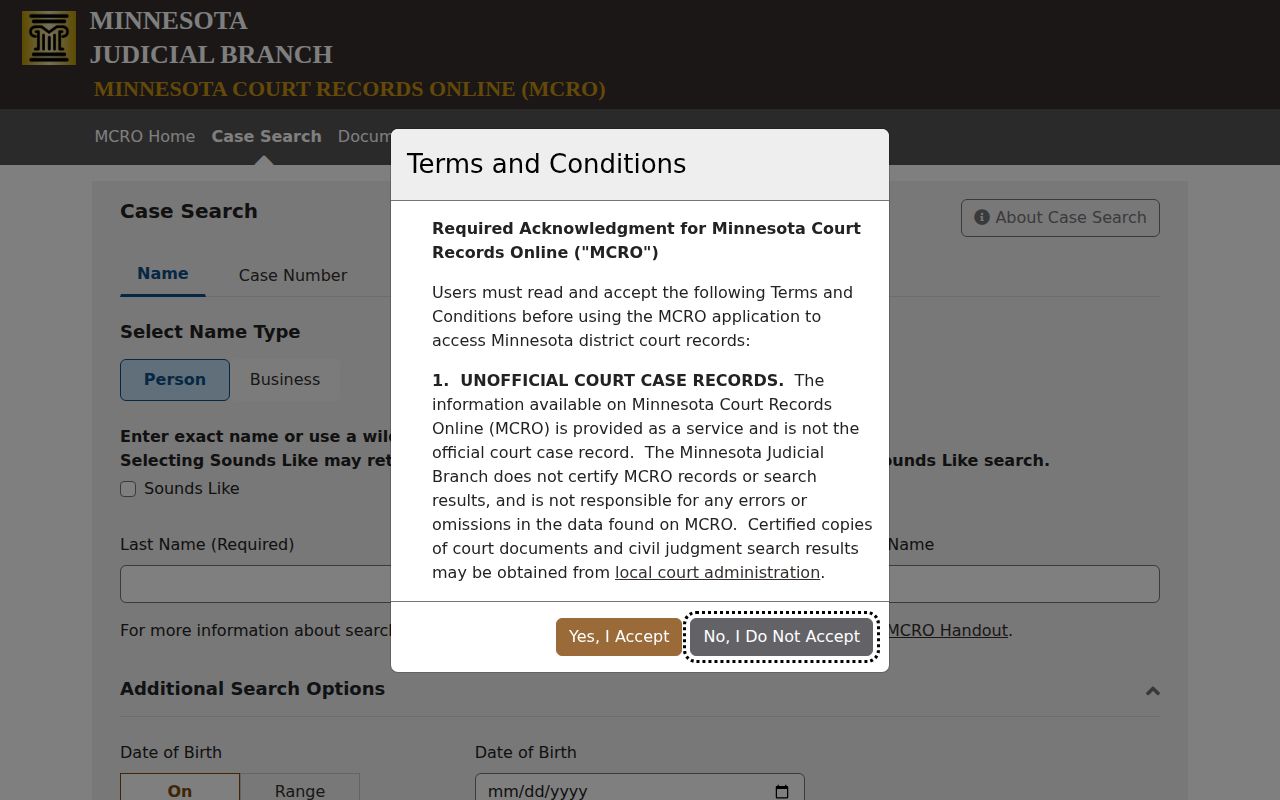
The court portal's search form can help locate a case file by name, number, or citation. A case result still needs to be read for its latest order or disposition, rather than treated as a live warrant status.
The official MCRO search page is useful for public case activity, but it is not a current statewide warrant check. Where an online result is incomplete, the Judicial Branch says courthouse public terminals and the State Law Library may contain records that are not available online.
The MCRO search interface marks its scope and provides fields for finding cases. A court result must be checked against the register of actions; a blank name search is not proof that no case or warrant exists.
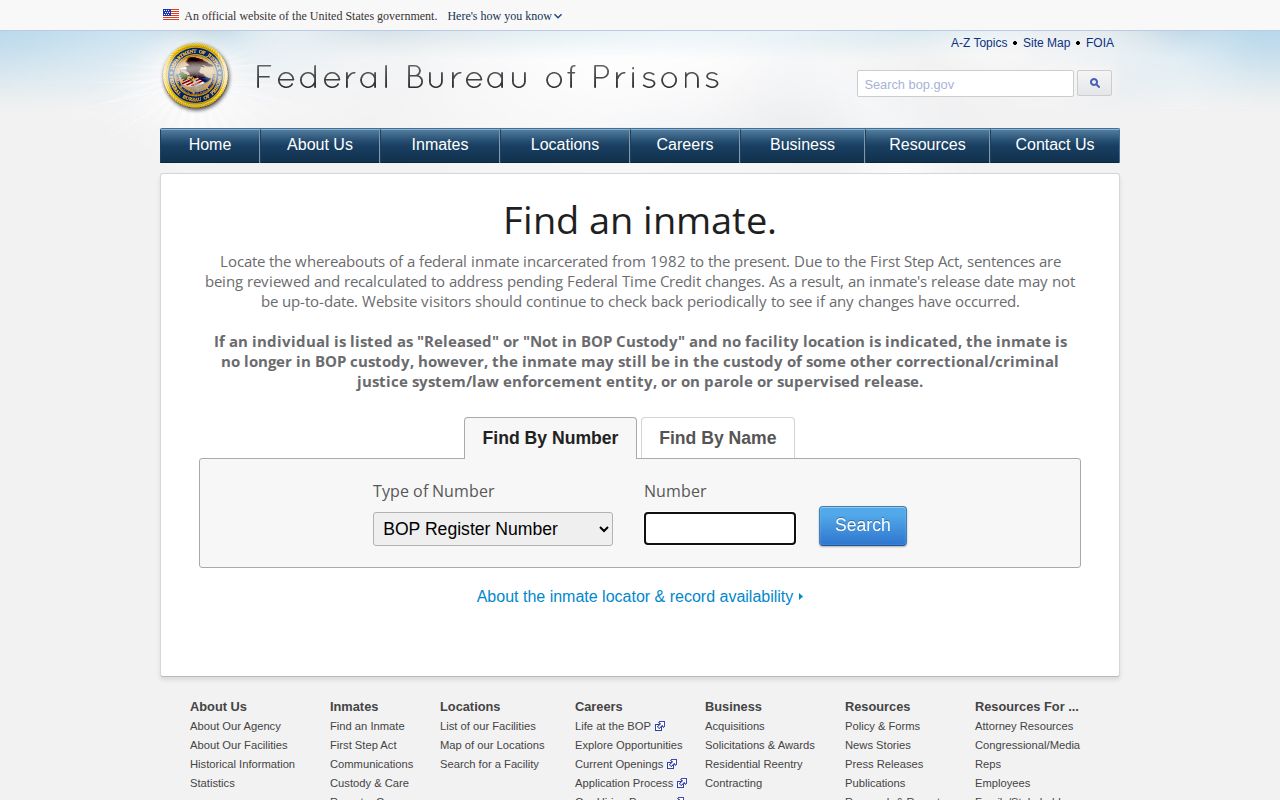
The federal side has its own locator. The Bureau of Prisons locator finds federal inmates held since 1982, searchable by name or register number. It is a custody tool, plain and simple. No wanted list lives there. It offers no public booking-photo gallery either. The BOP search form cannot confirm a county warrant, a local booking, or immigration status, so treat it as a narrow federal custody check.
Do not test a warrant status in person. A wanted list is the wrong place for that. An attorney or the court can give real direction, and no online system should ever be used to dodge law enforcement.
Minnesota County and Federal Notices
Local questions belong with local lists. Minnesota's 87 counties each run their own public pages, reports, phone routes, and request processes. A county roster shows who sits in that jail right now. A wanted list describes someone the agency is seeking. Those are different documents. The County Directory links to each county's official sheriff or police page.
Formats vary widely. Some counties post searchable custody locators or open-data tables. Others rely on jail portals, periodic PDFs, phone calls, or written requests. A modern roster is not a wanted page. A missing photo proves nothing. Bigger urban systems lean toward structured search and open data, while many smaller counties use a plain page or a request route. That pattern comes from county files, not a measured statewide rule.
Some custody feeds run through a regional service or a contractor. Vendor pages can list people held for other agencies. Read the issuing county and the custody status before reading anything into a name. No county list equals a complete statewide warrant roster.
Federal matters follow a different path. USMS announcements tend to describe a task force or one selected fugitive case. The BOP locator covers federal prison custody only. Neither source captures every Minnesota arrest. ICE's Online Detainee Locator tracks people in ICE custody or recently transferred there, not county warrants. A failed ICE search proves nothing about immigration status or custody history.
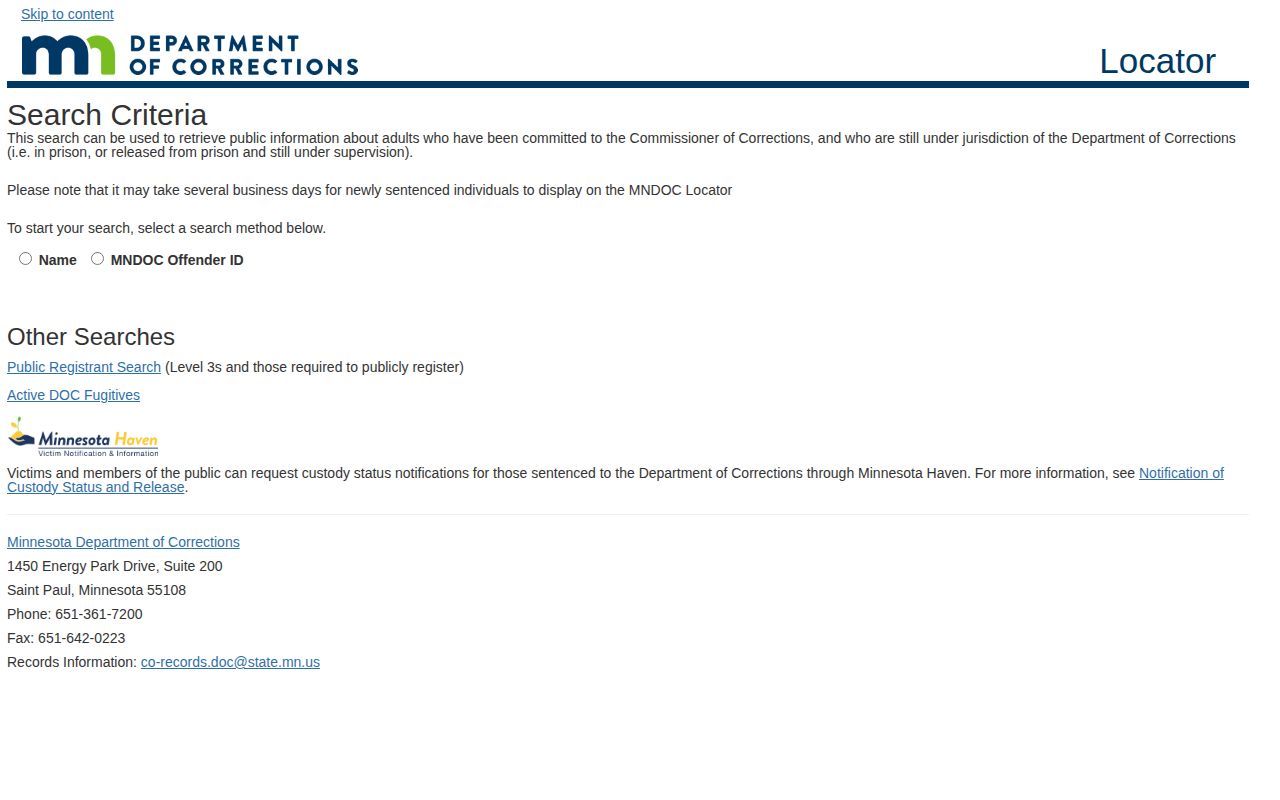
State prison is another layer. The MNDOC Public Viewer is the official search form for adults committed to the Commissioner of Corrections who remain under DOC jurisdiction, including some people on supervised release. It does not cover everyone ever arrested in Minnesota. A person discharged from supervision may drop out of the viewer. Check its search fields and profile directly. A saved screenshot cannot settle current custody or fugitive status.
One name can surface on several services. Keep each notice tied to its agency. Also note the date you checked and the exact status the official source describes.
Note: A county roster reports current custody, court entries document case events, and warrant indices follow their own access rules.
Follow the Minnesota Court Record
A wanted listing can open a case. It rarely explains how that case ends. Minnesota Court Records Online posts a register of actions plus any public documents tied to a case. The portal warns its data is unofficial and incomplete. Searches by defendant name can miss pending criminal matters that carry no conviction. Juvenile and restricted cases stay off the open web. A case number or citation works best. Match the county and identity details first. Then read the actual order or judgment rather than a summary label. A charge label, a release from jail, or a booking photo is not an outcome. When records conflict, the issuing agency and the court beat any copied listing every time.
A wanted notice marks an enforcement status, nothing more. The full story waits in the court file.