
Minnesota Busted Photos Begin at Booking
A booking photo is an identification image. Law enforcement takes it in connection with an arrest. The arresting agency logs the event. A county jail may create intake records or hold them once the person is booked. Those records can stay public even without a roster entry online. Charges can shift. The person can walk free. The court can dismiss the case later. The record path turns on who made the arrest and where the person sits now. County rosters track jail custody. Police incident records can exist with no roster entry at all. The Minnesota Department of Corrections, or MNDOC, keeps profiles for adults under its watch. A court register tracks each case event. None of these stands in for another. Headlines may say "busted." The official record uses a sharper status. It reads arrested, booked, charged, or released.
Minnesota Booking Record Fields
Section 13.82 names the public adult arrest data the originating agency holds. Jail intake and roster fields vary by county, and MNDOC profiles sit in a separate state system.
| Field or layer | What the record can show |
|---|---|
| Adult identity | Name and other adult identity details held by the arresting agency. Juvenile rules are narrower. |
| Arrest event | Time and place of the action, an incident number, and the source of the report. |
| Legal basis | The charge or warrant basis recorded at arrest. A charge is not a court finding. |
| Agency and staff | The agencies and personnel involved, plus technology used when the statute calls for it. |
| Force and weapons | Whether force or resistance occurred and whether weapons were used or encountered. |
| Custody movement | Where a person is held, transfers between agencies, and release information. |
| Booking photo | An identification image taken in connection with arrest, subject to statutory limits and any active-investigation hold. |
| MNDOC profile | Name, birth date, AKA names, six-digit MNDOC ID, status, facility, sentence and release dates, highest offense, and court-file links. |
A portal can skip fields. The agency still keeps them. The statute does not force every field into a web-search filter. The six-digit MNDOC ID is not a county booking number. Use the court register or a court order to confirm a disposition.
- Booking
- The intake and record process after an arrest or commitment to a jail.
- Disposition
- The court's recorded outcome, such as dismissal, acquittal, plea, or conviction.
- Expungement
- A legal process that can seal covered records from public view under Minnesota law.
Minnesota's Booking Photo Law
Minnesota Statutes section 13.82, subdivision 26 defines a booking photograph. It is an image law enforcement takes for identification in connection with an arrest. The statute treats that image as public data unless an exception applies. Adult arrest data are public too. They sit in the originating agency's records. But access is one thing and display another. Nothing in the rule orders a sheriff to run an online photo roster. No statewide arrest feed is required either. The same statute lets an agency hold data back briefly. That applies when release would harm an active investigation. It also shields certain identities and sensitive details. An agency can hand over a copy without posting anything online. So "public by law" does not always mean searchable on a web page. The current Minnesota booking-photo statute defines the record and its public-data rule.
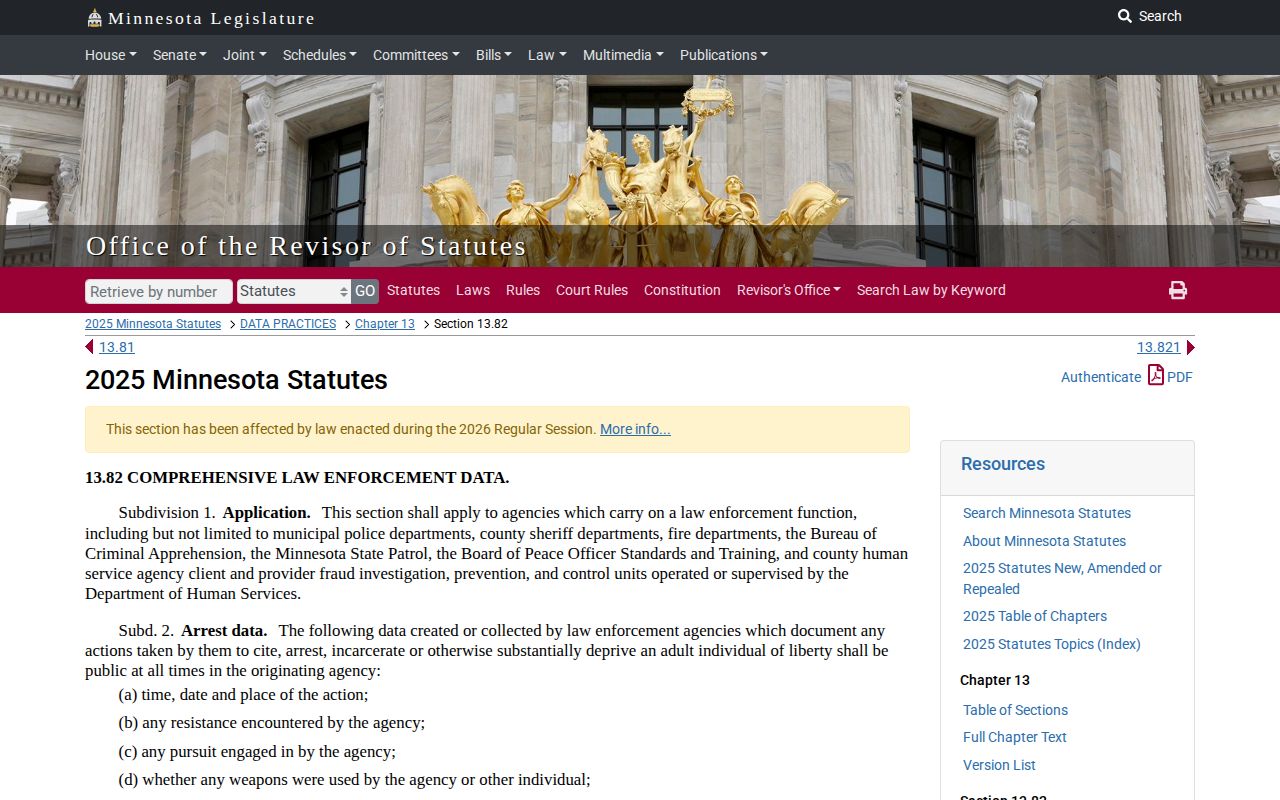
The legal text sets the record and its limits. It never says every county interface must show a face or share one update schedule.
Note: A public-record rule controls access to records an agency holds, not the design or coverage of a county website.
Minnesota Withheld and Juvenile Records
Data tied to an active investigation can be confidential. Once the case goes inactive, some of it becomes public. Protected identities and other law still apply. A clearly offensive image is private or nonpublic, though the agency may confirm it exists. Release can also be paused when it risks safety, flight, or evidence loss. Juvenile arrest data, court access, and photos run through Chapter 260B instead. The Data Practices Office's advisory opinion on juvenile photos explains the limits. Access depends on the proceeding and the court record. Section 13.82 covers some images of adjudicated children in law-enforcement records. Not every juvenile image falls under it. Check with the agency and the court before sharing any record about a minor.
Note: If a record is withheld, ask the custodian which classification applies and whether the decision can be reviewed.
Minnesota Sealing and Photo Copies
Chapter 609A seals covered government records from public disclosure. Sealing is not destruction. Some outcomes qualify for automatic relief or after a waiting period; others take a petition. If a roster entry vanishes, that alone does not prove the record itself was destroyed. The public BCA criminal-history search sits apart from a jail roster. A court order can bind government records. Copies held by publishers, caches, or news archives stay put. Send the order or disposition to each custodian for review. The Chapter 609A text shows the state sealing framework and its effect on public records.
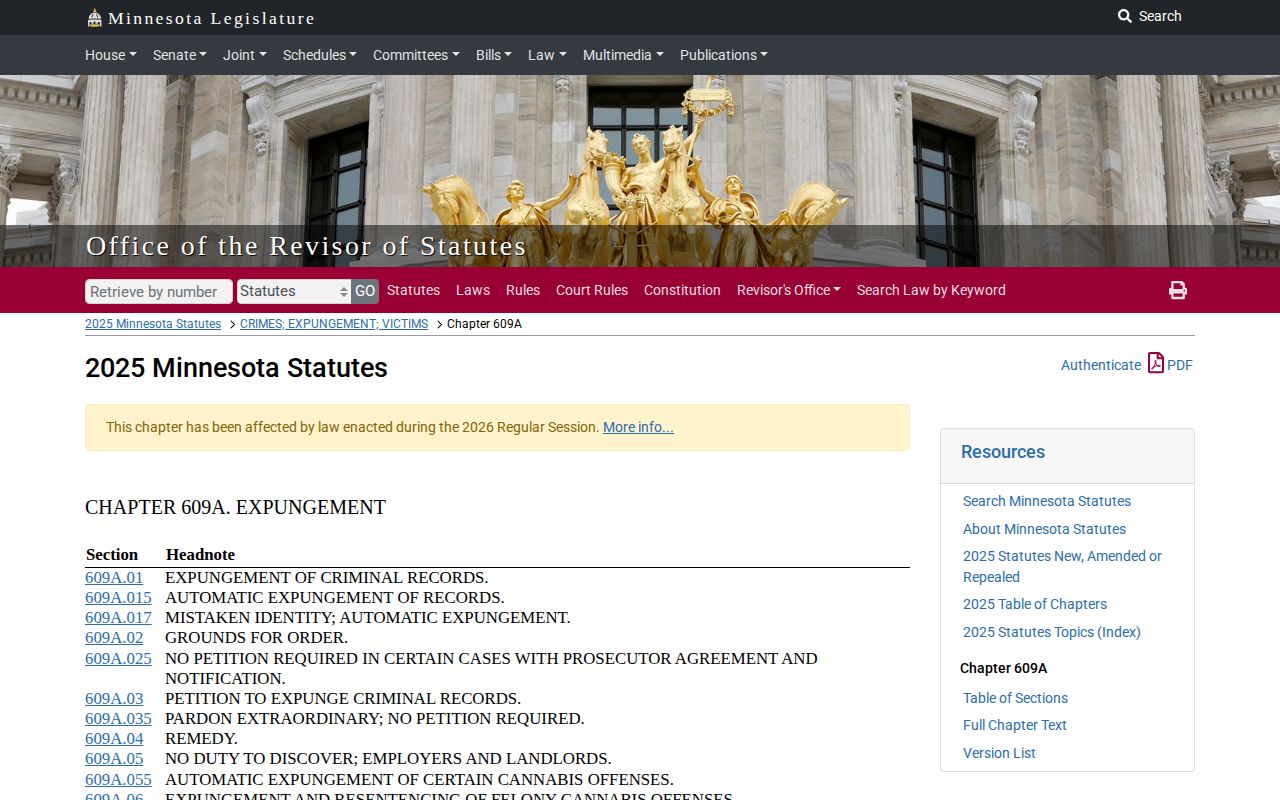
Relief depends on the court order and what it covers. A photo lingering elsewhere does not prove the government record is still open.
Request Minnesota Booking Records
Send a Chapter 13 request to whoever holds the record. Police handle arrest reports. A county jail handles intake or custody, and MNDOC handles state-prison data. Give the person's name, the date, and the agency. Include the facility, the record type, and the format you want. Ask for a record that exists; a custodian need not build a new list.
- Identify the arresting agency, jail, sheriff, court, or MNDOC as the likely record holder.
- Provide enough identifiers to locate it: full name, birth date if known, arrest or booking date, facility, case or incident number, and exact record sought.
- Write to the records contact. Ask about any copying charge and how to inspect or receive the copy.
- Ask whether a withholding applies and whether the record remains held, was transferred, or was disposed of under an approved schedule.
MNDOC wants a clear written request, and no reason is needed. It need not create data or offer a format it never kept. Its form describes copying costs. The MNDOC public-data request page lays out the state agency's written request path. Its access rules appear there too.
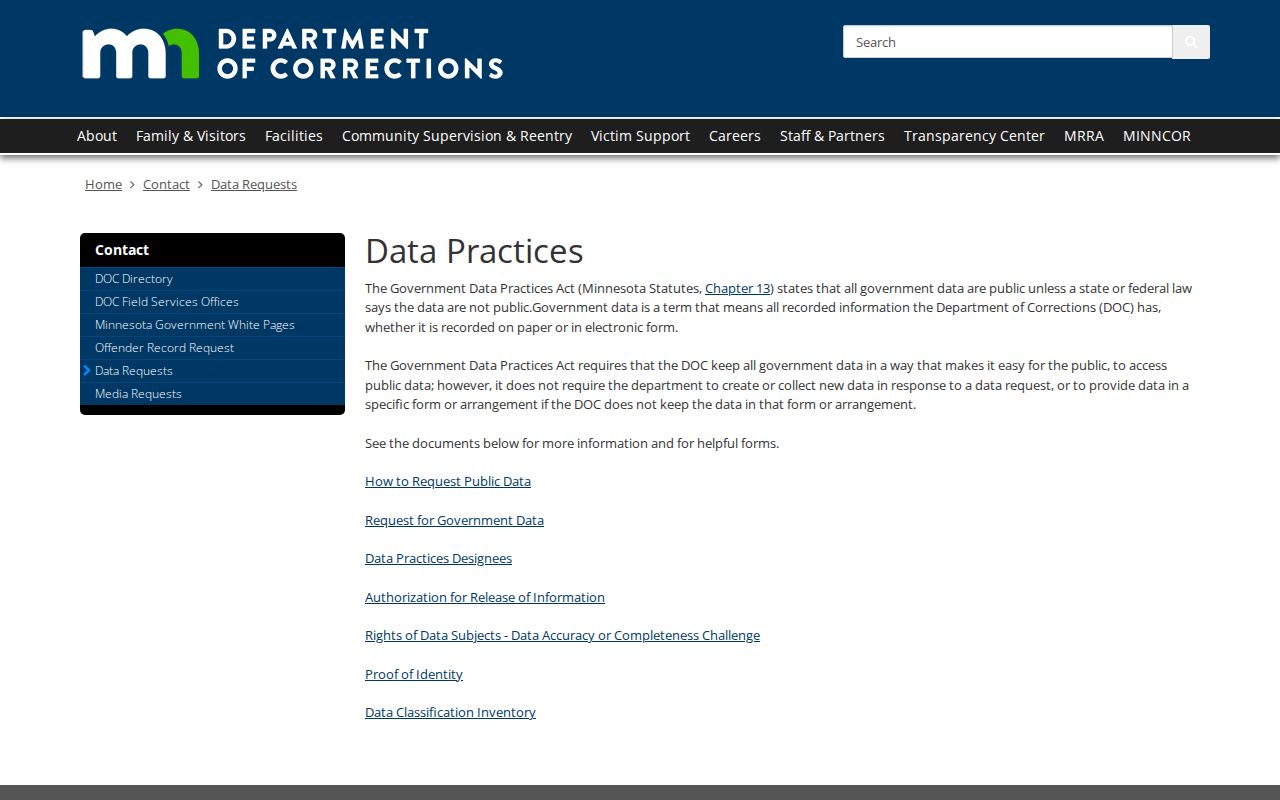
Want a booking photo from a county jail? Ask that county's records unit directly. A statewide request will not do the job. Give more than a name, too, since common names pull many matches. Add a birth date, a location, a court file, or an MNDOC ID; if a charge, identity, or status is wrong, send each custodian an official result or order and request a fix.
Note: A second identifier can help a records clerk separate people who share a name or similar birth date.
Find Minnesota Busted Mugshots
Start with the county or city that made the arrest. Minnesota posts no single official feed of recent booking photos, so you trace the record through separate jail, state prison, court, and federal systems.
- Confirm the likely county and arresting agency. A city police arrest may appear in a city record even when the person is held at a county jail.
- Open the official county custody roster or booking report, if one exists. Use the name and any search fields the county offers, then note the record date and custody status.
- If no public roster appears, request the arrest or booking record from the law-enforcement agency or jail that made or received the booking.
- If the person may be under state correctional jurisdiction, check the MNDOC Public Viewer. For a court outcome, search MCRO by case number or citation when possible and read the register or order.
- Use federal custody locators only for federal or immigration custody. A notification search can report custody changes, but it is not a source for booking photos.
Match names and dates carefully before you treat two results as one person. If a search comes back empty, call the agency that created the record instead of assuming nothing exists.
Minnesota Busted County Roster Search
No shared form connects the county portals. Some use name fields, others post PDFs, plain text, vendor pages, open data, or take direct requests. Kanabec's locator wants a last name, first name, gender, and birth date. Whether it shows an image is a local decision.
| Channel | Photo? | Official? | What it covers and how to use it |
|---|---|---|---|
| County jail roster | Varies by county | Yes | Current local custody when a public list exists. Use the county's own filters and read its date and custody labels. |
| City police arrest or incident record | Not assured online | Yes | The originating department may hold an arrest report or photo even when the county roster has no matching entry. |
| MNDOC Public Viewer | Profile photo when available | Yes | Adults still under state correctional jurisdiction, including people on supervision after prison. |
| MCRO court file | No booking photo | Yes, but incomplete online | Case events and public documents. Use a case number or citation when a name search misses a pending case. |
| BOP inmate locator | No public photo gallery | Yes | Federal prison custody, separate from county booking and state DOC status. |
| ICE detainee locator | No county photo feed | Yes | People in current ICE custody or recently transferred into that system. |
| VINELink | No | Notification service | Custody-status notices, not booking images or a complete arrest log. |
| BCA Crime Data Explorer | No person-level photos | Yes | Aggregate arrest and agency data, not a name search for an individual. |
| RecentlyBooked Minnesota | May show copied images | No | Secondary county index; coverage varies and each result needs an agency and court check. |
| BustedNewspaper Minnesota | May show copied images | No | Secondary state page; its county links change and are not a statewide roster. |
| News coverage | Selected images in some stories | No, editorial reporting | A story may provide context but is not a complete booking feed. Follow the article back to the agency and court record. |
The Kanabec County inmate locator shows one county's official search form.
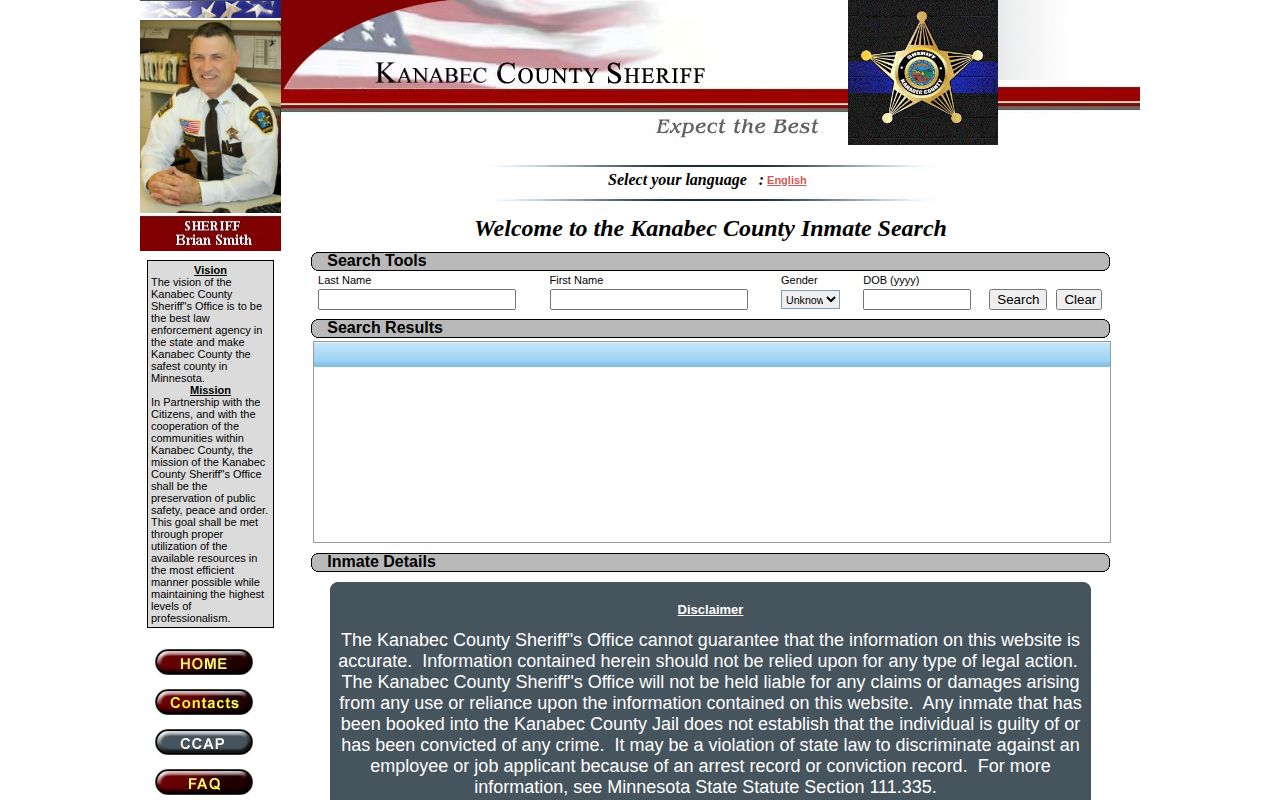
A roster can be useful even without a photo. Read the source labels and the custody status on any result you get.
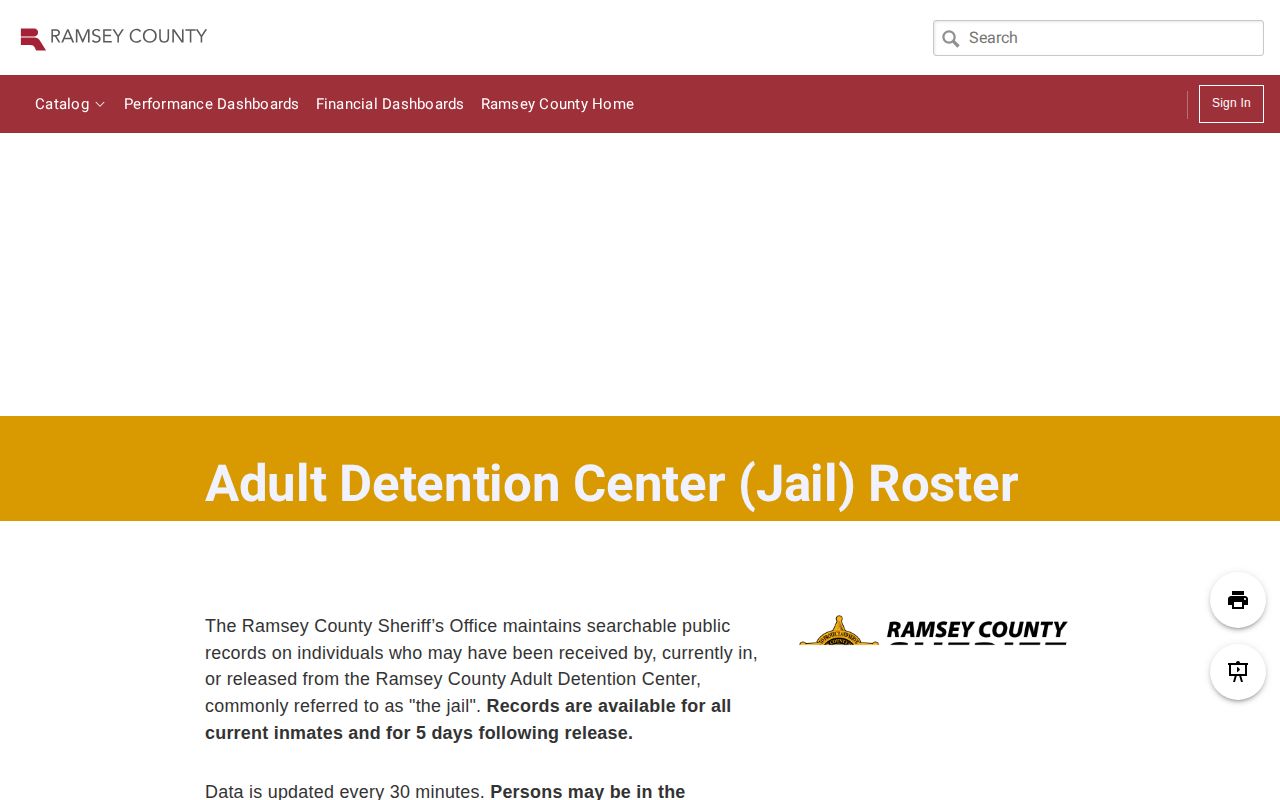
Ramsey County's Adult Detention Center roster covers current inmates and keeps entries for five days after release. The county says the data refresh every thirty minutes. Those terms describe Ramsey only, not its neighbors.
The Ramsey County roster interface presents each custody record in a structured format tied to that one detention center.
Some rosters list names and custody details. Others make you file a request.
Counties with photo-capable fields include Chisago, Itasca, Kanabec, Otter Tail, Pennington, Renville, Rice, Scott, Sibley, Todd, Wilkin, and Wright. Carlton and Beltrami may have possible fields. Aitkin, Becker, Douglas, Marshall, Steele, and Winona offer text or PDF views. No photo is displayed there. Lake of the Woods and Stevens list no clearly linked public roster. A blank on a county page is an interface observation. It does not prove that the agency holds no record.
A few custody routes cross county lines. Murray sends inmates to Lyon. Dodge books through Olmsted, and Red Lake and Mahnomen go through Tri-County Community Corrections. Check the named facility and its status.
For the local source, pick the county in the Minnesota County Directory. It routes you to each county site. That county's own records contact and roster policy are spelled out there.
Note: A record from a contracted jail can include a neighboring county's case, so verify both the named facility and agency.
Minnesota Busted Custody Is Not a Feed
A jail roster is a snapshot. It shows who sat in that facility when the data was produced, nothing more. It is not an arrest log and not a statewide search. Someone released before the next refresh may never show up, and a person can drop off the roster while the arrest record stays with the source agency.
| Record stage | Best source | What it does not prove |
|---|---|---|
| Recently booked or in county custody | County jail roster, when published | That the person was convicted or remains in custody now. |
| Released from a county jail | Arresting agency or jail booking record | That the old roster still lists the person or shows a court result. |
| Case filed or resolved | MCRO register, order, or court document | That every pending case appears in a name search or that a booking photo exists. |
| State sentence or supervision | MNDOC Public Viewer | A complete county arrest history or a fixed photo-update schedule. |
| Federal or ICE custody | BOP or ICE locator | A Minnesota county booking or a public photo gallery. |
No statewide schedule governs county booking photos. Across all eighty-seven counties, expect live lists. Expect scheduled PDFs, open data, vendor portals, and direct-request routes too. One county's update interval tells you nothing about the next.
Does a missing online photo mean no government image exists? No. A county may hold a public image but release it only after a records request. It may also withhold the image while an investigation stays active.
Note: A roster answers who appears in custody at that source and time, not every arrest that took place nearby.
Minnesota Busted Portals: Urban and Rural
Urban and suburban counties lean toward interactive portals and open data. Smaller counties more often use a list, PDF, vendor page, or request route. That pattern holds often, but it is no statewide statistic.
Becker's custody page cites an update rhythm of roughly thirty minutes but displays no photos. Ramsey publishes structured open data, and Kanabec offers image-capable details. Elsewhere you will find LETG, 365Labs, or plain PDFs. The vendor never changes who owns the record or whose custody it describes.
The Kandiyohi County Sheriff MN App handles inmate search and data requests. It includes no public-photo feature. Stearns offers a safety and tips app with no booking-photo feed. Confirm any app's functions with the county before treating an alert as a photo source.
Note: A county's interface can change, so confirm its current photo fields and stated update terms at the source.
MCRO and Minnesota Booking Outcomes
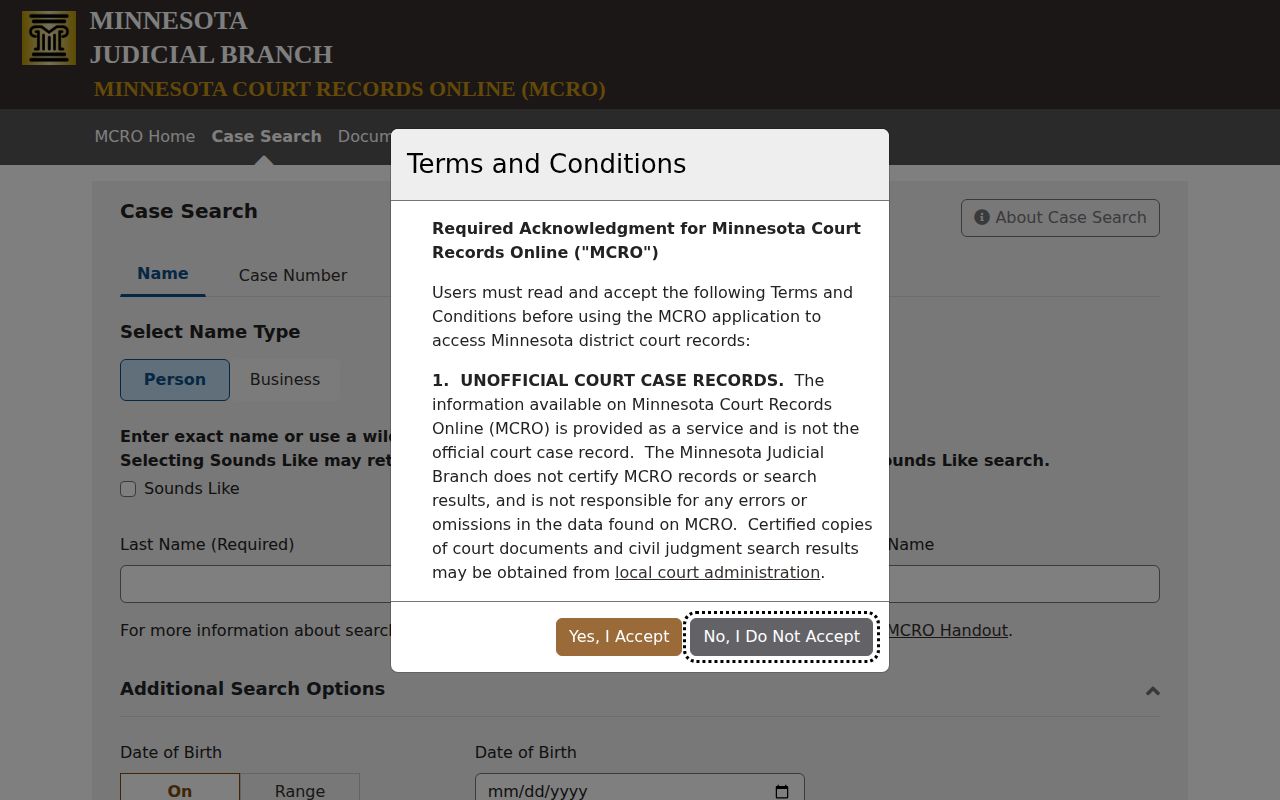
Minnesota Court Records Online, known as MCRO, returns registers and public documents, never booking photos. You can search by person or business, attorney, case number, citation, or bar number. A case number is the fastest route to a pending case.
MCRO labels its own records unofficial and incomplete. Courthouse terminals can show more. Pending cases may be missing from a name search. Juvenile, restricted, and older paper files never reach the general web results.
The MCRO case-search form states its limits right up front.
Read the register, disposition, judgment, or court order before you name an outcome. Say dismissed, acquitted, pleaded guilty, or convicted only when an official document shows that exact result. A booking charge tells you nothing about what the court decided.
Minnesota Busted Data Has No Faces
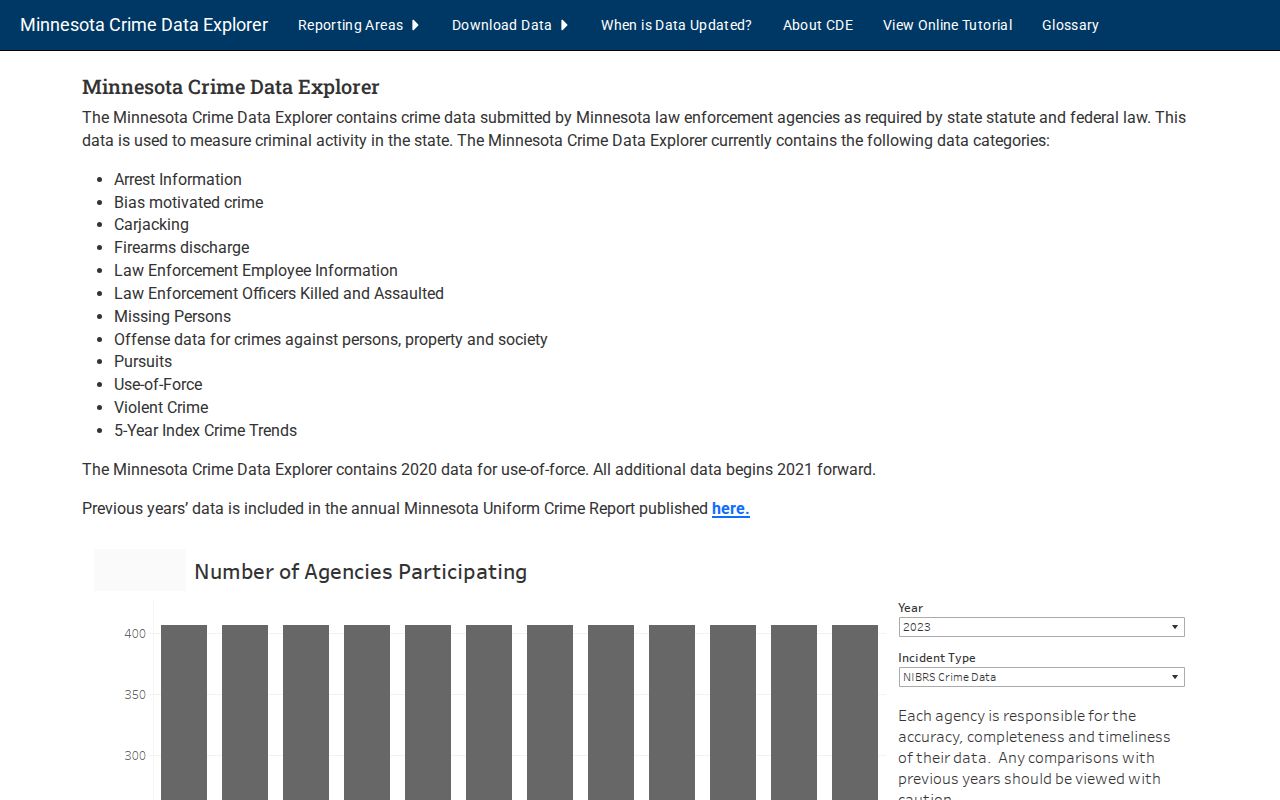
The BCA explorer reports aggregate arrest counts. It also gives county or agency totals. No people, no photos. Counts are not a live custody feed.
Use the reporting periods the BCA Crime Data Explorer displays when you compare years. Individual records stay with the originating agency, court, jail, or corrections system.
Note: Statewide arrest totals describe reported activity and cannot identify a person or confirm a case outcome.
Minnesota DOC Offender Photos
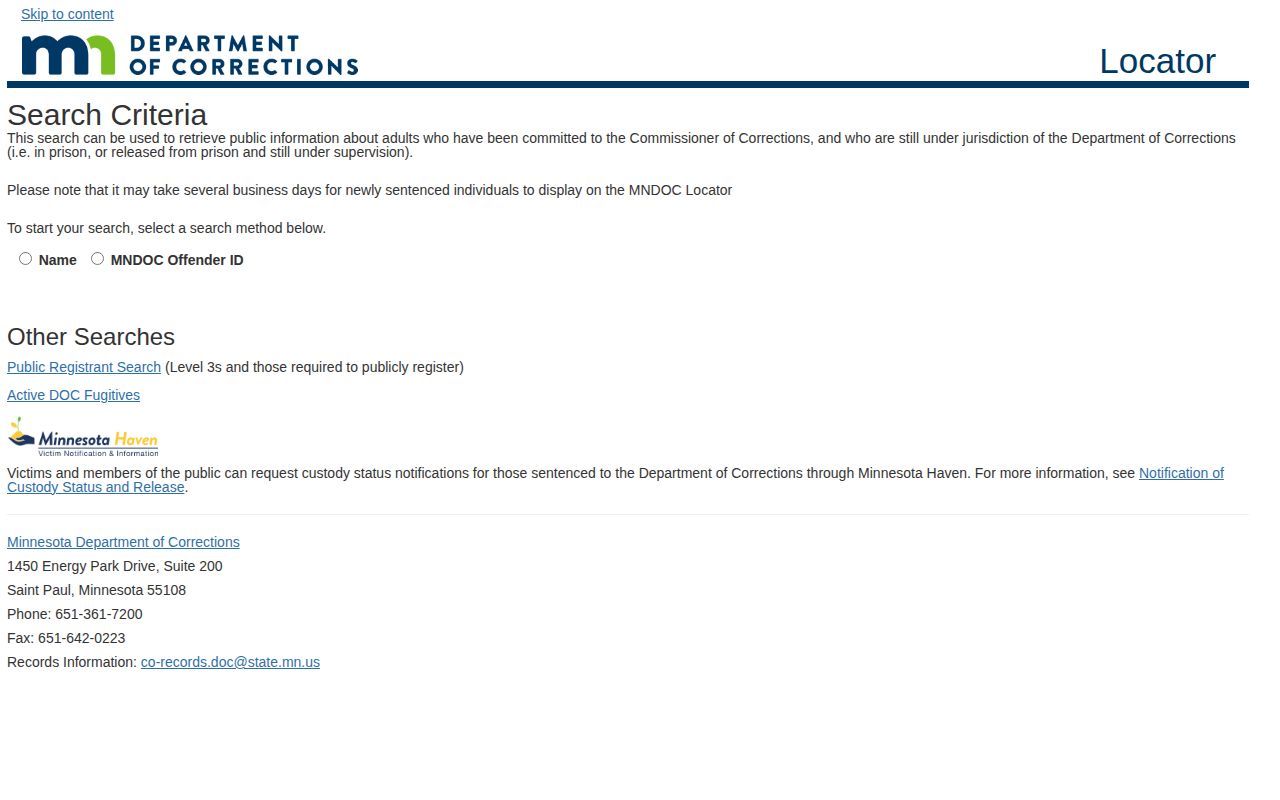
Minnesota's Department of Corrections runs a Public Viewer. It holds adults still under state supervision after prison. It is not a county booking record. Nor does it hold a complete arrest history. Someone newly sentenced may take several business days to show up in the system.
Name searches work with a first name, a last name, or both. AKA names with prefix matching can pull up similar people. An MNDOC ID needs all six digits. A profile can include a photo, status, facility, sentence and release dates, highest offense, and court links. The official MNDOC Public Viewer shows the state's search fields. It also shows its jurisdiction limits, and it sets no photo retake schedule.
Keep in mind that a profile here is a DOC record. It is not a fresh county arrest photo. Once a person is discharged from supervision, the entry can drop from view. Does the MNDOC search cover everyone ever arrested in Minnesota? No. It only covers adults still under DOC jurisdiction. So a local arrest record requires the county agency and court path.
Minnesota Busted Warrant Checks
Minnesota has no single confirmed BCA list for every fugitive or warrant. The DOC active-fugitive viewer deals with alleged release violations. Sheriff and police lists stay local. U.S. Marshals material is federal work. Each source covers its own lane. None of them adds up to one statewide roundup.
State law matters here. Section 13.82 keeps warrant indices confidential until service, custody, or appearance. An agency may still disclose them if it decides disclosure serves a public purpose. Suspect a local warrant? Start with the court or agency that issued it. Ask how to confirm current status. Match the case or warrant number and the person's identity. A name match alone can be wrong.
Resolve any possible warrant through official court or agency channels. Never approach a listed person or try to dodge contact. The list types, photo sources, and safe lookup path appear on the Most Wanted Fugitives page.
Minnesota Federal and ICE Custody
The Federal Bureau of Prisons locator searches federal prison custody from 1982 to the present by name or register number. It sits apart from Minnesota county arrests and offers no public booking-photo gallery. The BOP inmate locator is the official source.
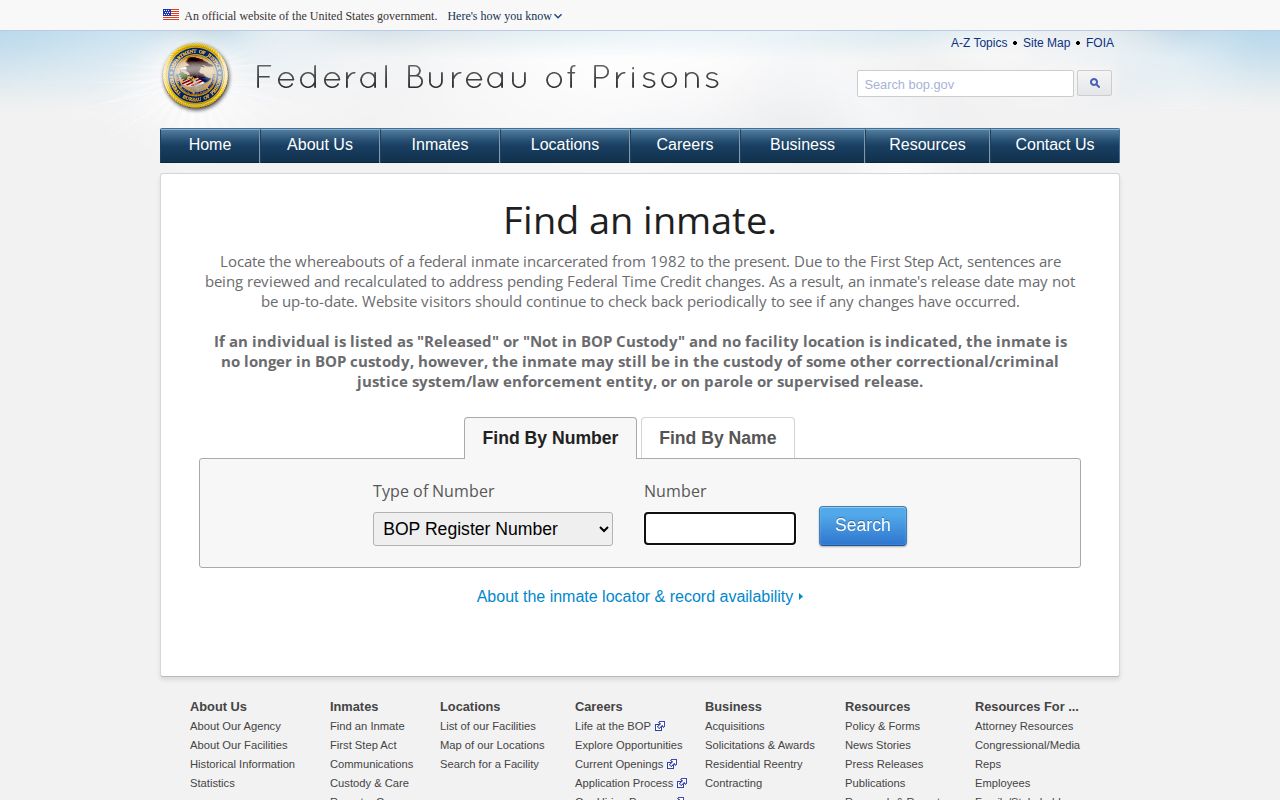
The locator keeps federal prison custody separate from county and state records. The ICE Online Detainee Locator covers current ICE custody. It takes an A-number or biographical search. A failed search settles nothing either way. VINELink sends custody notifications, but no images. It does not replace the booking record, court file, or DOC profile.
Old Minnesota Booking Records
No statewide mugshot-retention period exists in Minnesota. Agencies rely on record-specific schedules, and the State Archives receives selected records. Even a permanent jail register is no promise that a digital photo survives. It certainly does not promise one was ever digitized. Treat a catalog entry as a lead. It is not proof an image is public. The Minnesota State Archives Records Disposition Panel explains how schedules and transfers work.
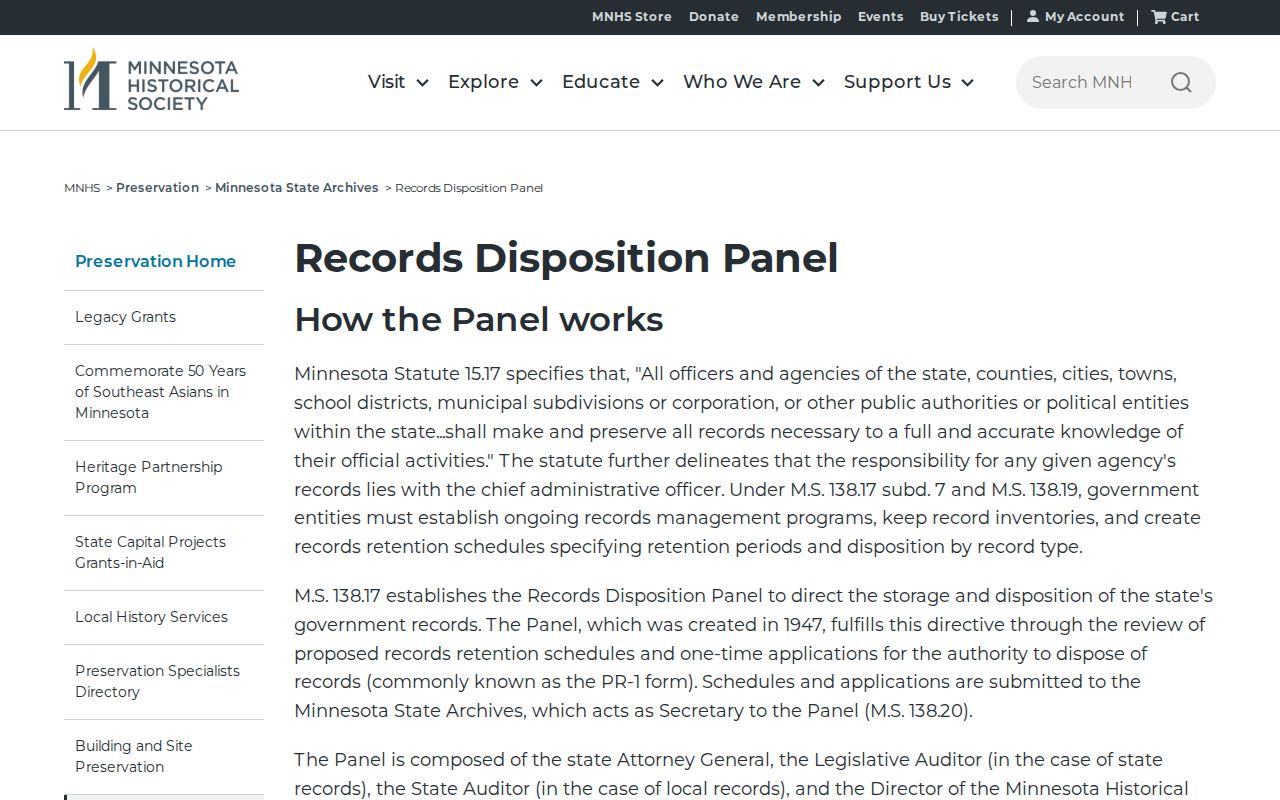
Hunting an older item? Pin down the agency, county, approximate date, person, and record series first. Ask whether the record survives, was transferred, or was disposed of, then search the Archives catalog by county, office, date, and name.